Creative Direction · Songwriting · Production · Art Direction · Web
Made with
Home studio · Klaus Sena (mix) · Arthur Joly (master) · guests & photographers credited below
Category
Music · Visual Identity · Web
Status
Live at beiramaquina.com
assets/beiramaquina/hero.jpg
8
Tracks on the debut album, Modus Ofeganti.
3
Releases since 2023: two EPs, one album.
100%
Self-produced. Written, recorded and designed by me.
The Reason
assets/beiramaquina/reason.jpg
The project
An experiment with a release date
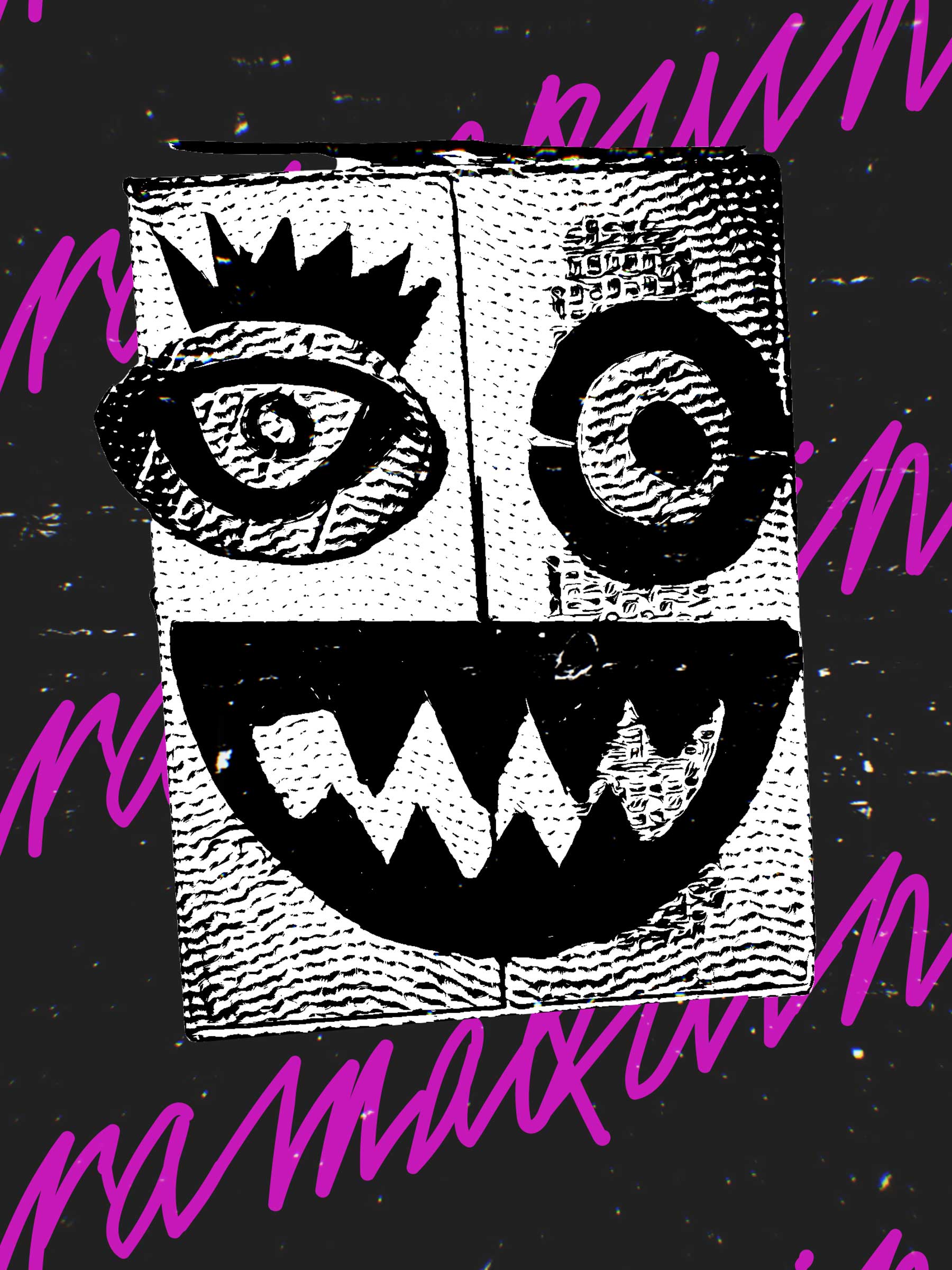
Beiramaquina is an experimental music project: home-recorded electronic music built from synths, drum machines and computers. Glitches, noise, minimalism. "É como desaparecer e voltar em outra dimensão." The line the whole thing turns on, and it runs through the album, the bio and the visual world.
It's also the closest thing I have to a product I own outright. An experiment doesn't reach anyone on its own, so this one needed the same layers a launch needs: a release plan, an identity, a name and a verbal world, cover art, motion, film, a site, and distribution across streaming platforms. Music production, art direction, brand design, motion, editing and front-end, all sequenced so the record actually arrives instead of sitting on a hard drive.
That's the reason it belongs next to the client work. Same disciplines, same planning, no committee to answer to. Every decision is a design decision I made and then had to live with.
The Album
Modus Ofeganti
Modus Ofeganti, in three artifacts
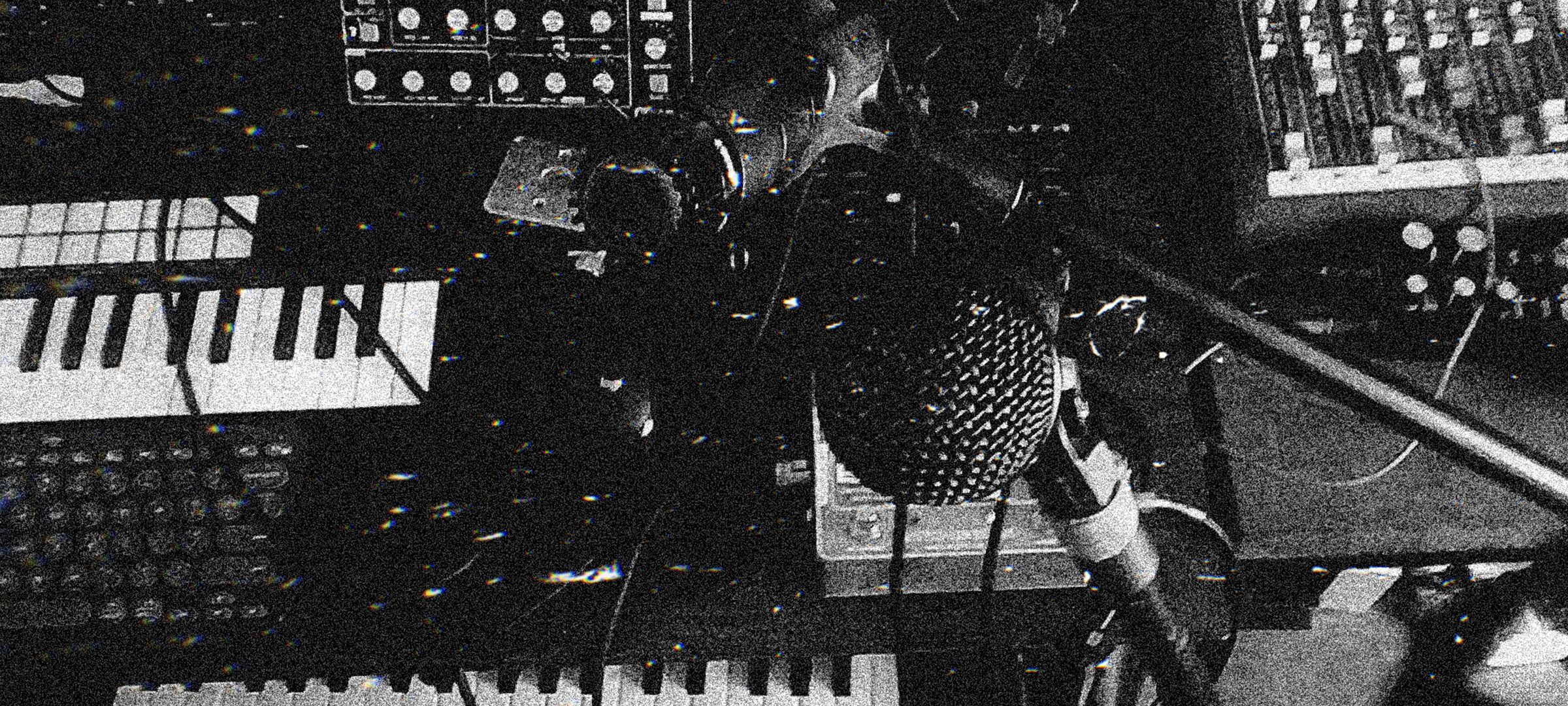
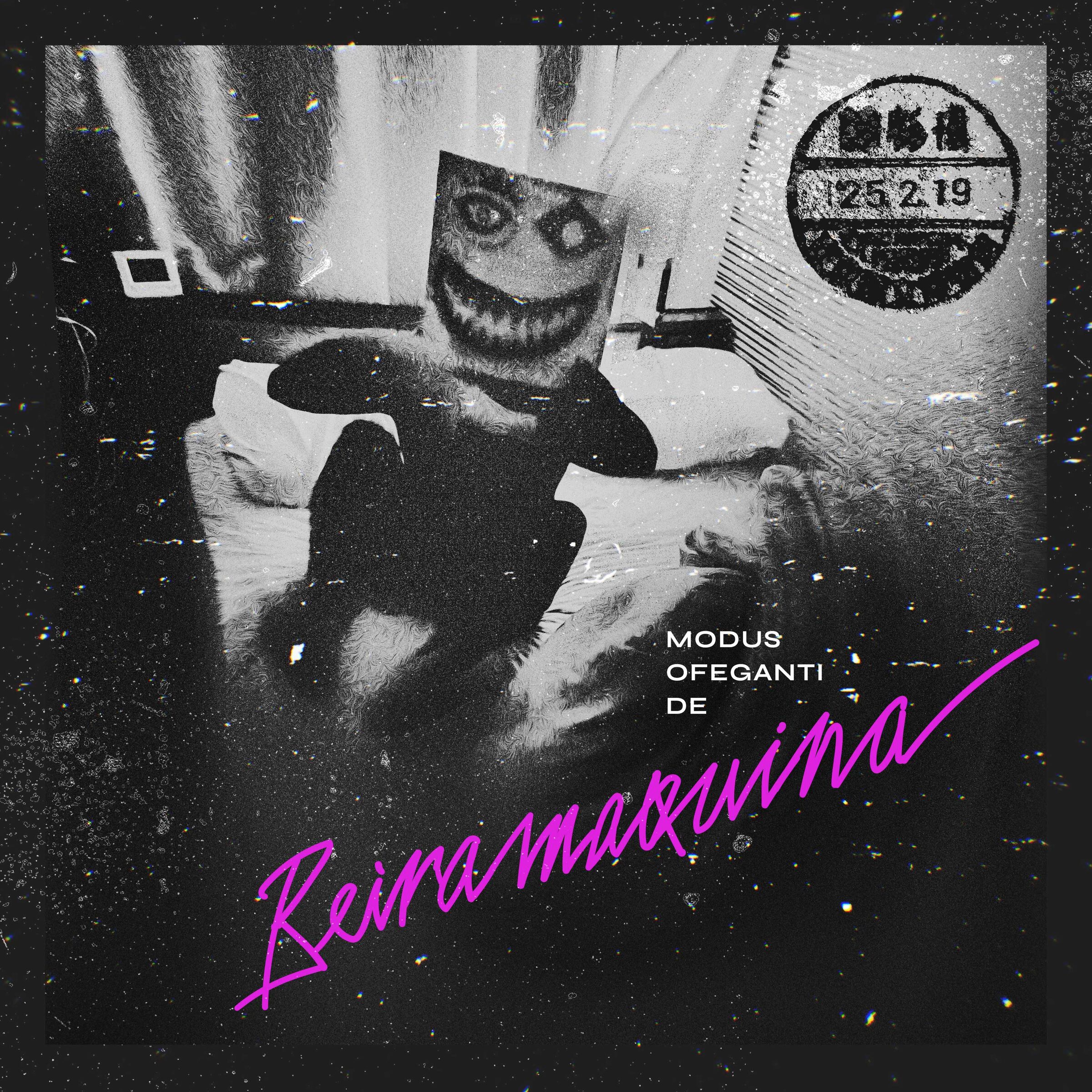
Modus Ofeganti is the debut album. Eight tracks, released August 2025. Recorded almost entirely at home, with a piano take at Estúdio Casa Embura and vocal overdubs at Estúdio Índigo Azul. Mixed by Klaus Sena, mastered by Arthur Joly.
The release shipped as three artifacts, in the order a listener meets them: the cover you enter through, the motion behind the tracks, and the site the album lives on.
assets/beiramaquina/modus-cover.jpg
Modus Ofeganti cover art. The album's first image and the world's first door.
brand-portrait.jpg
brand-studio.jpg
brand-artifact.jpg
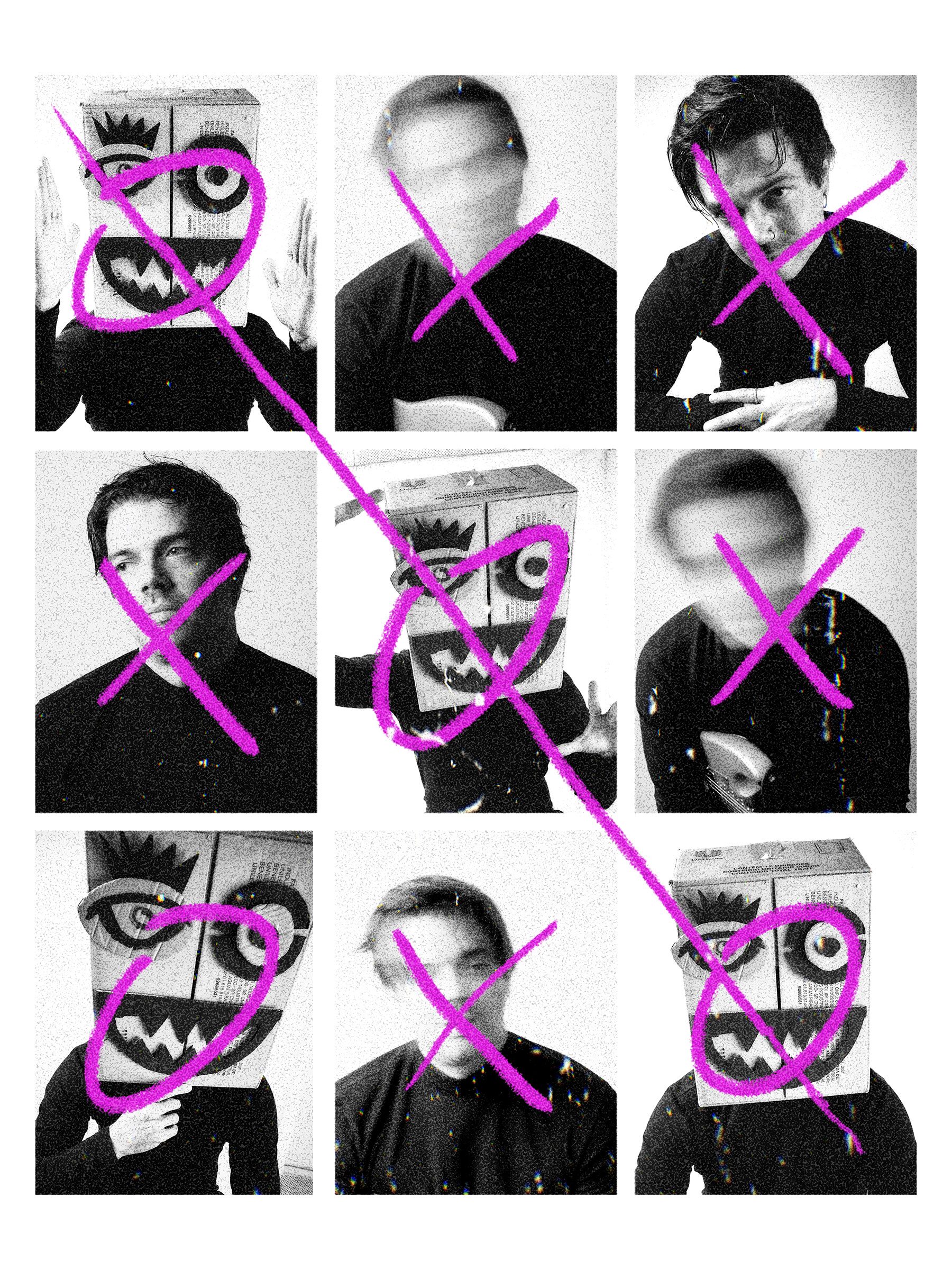
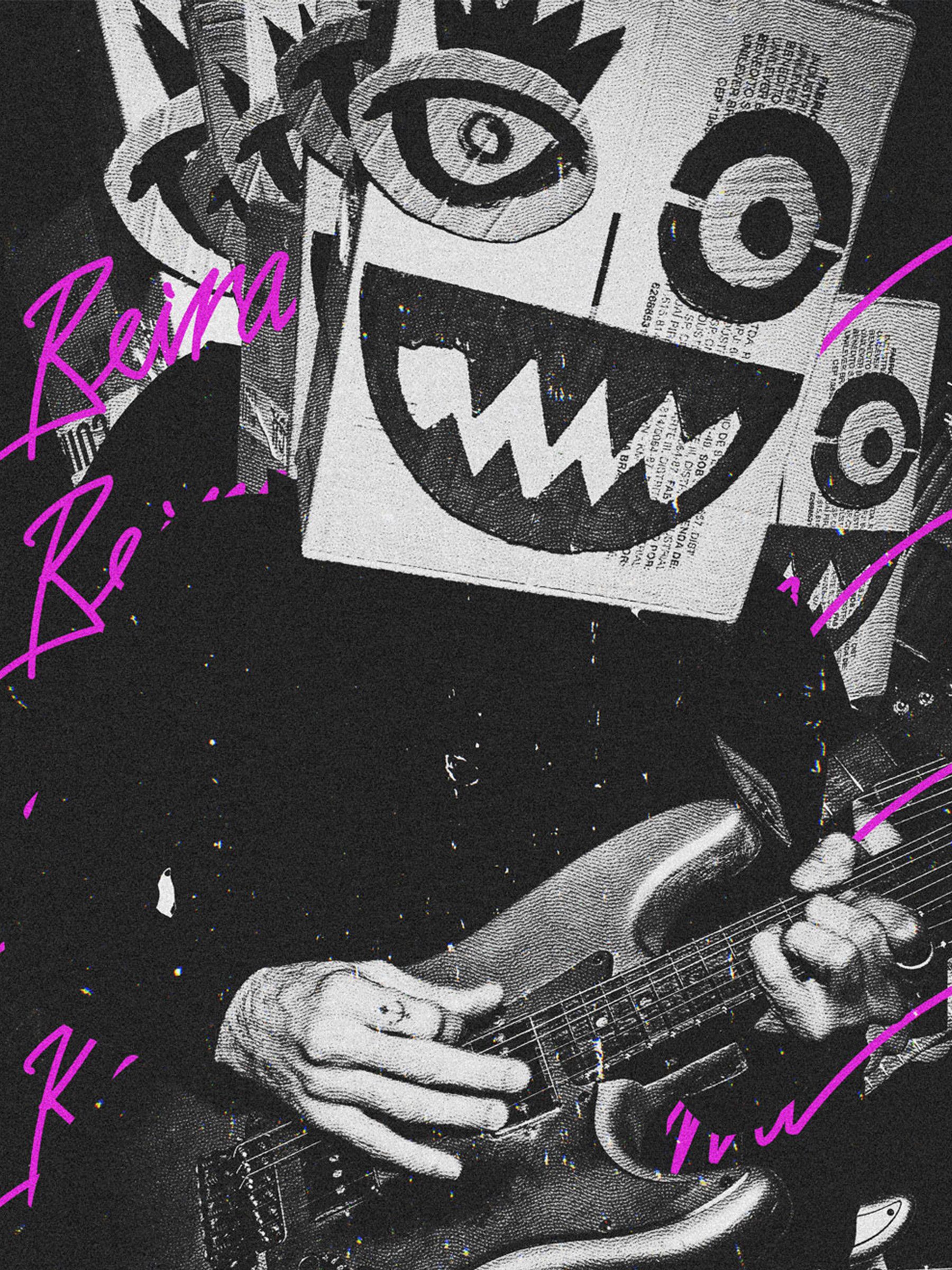
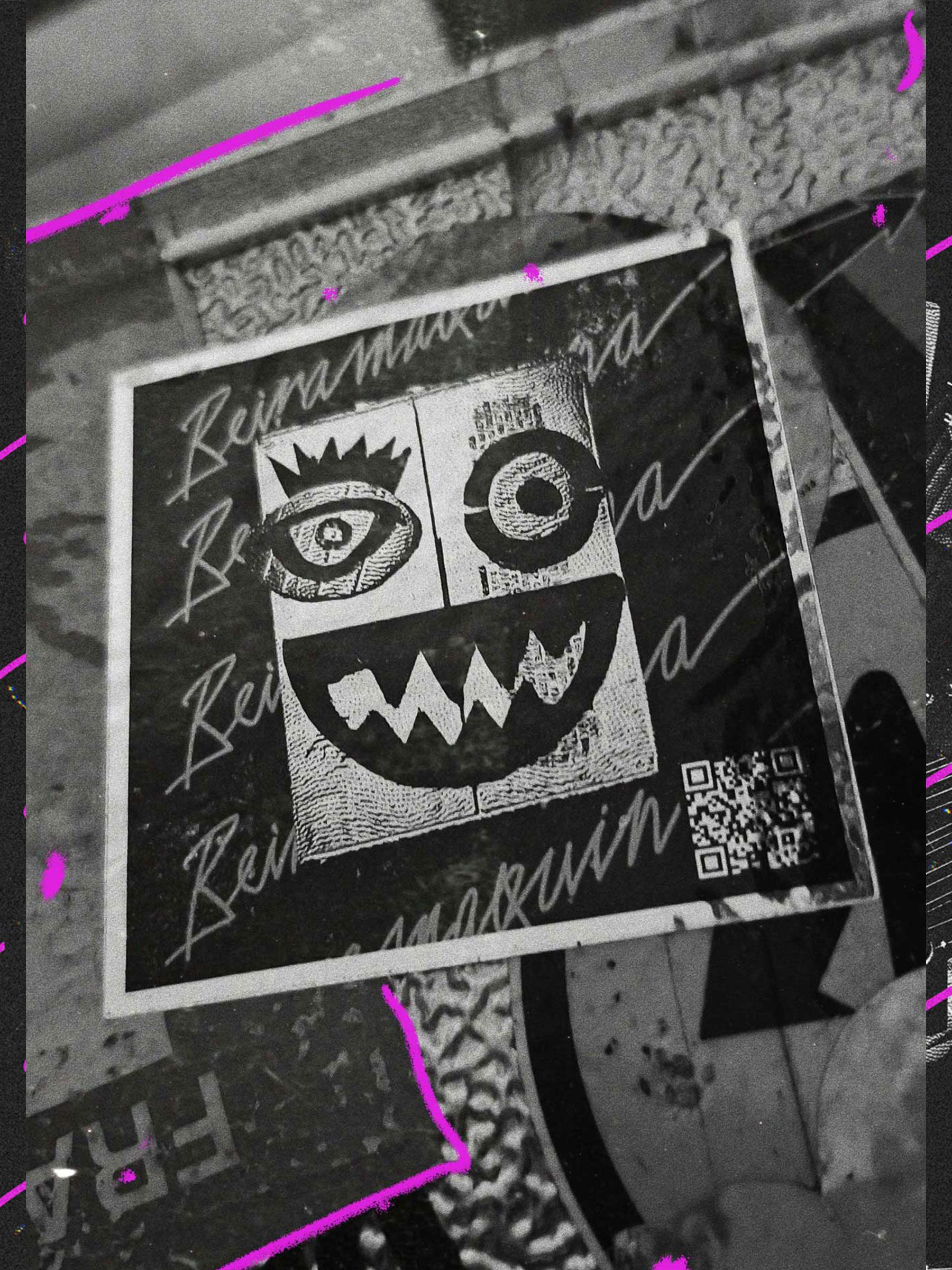
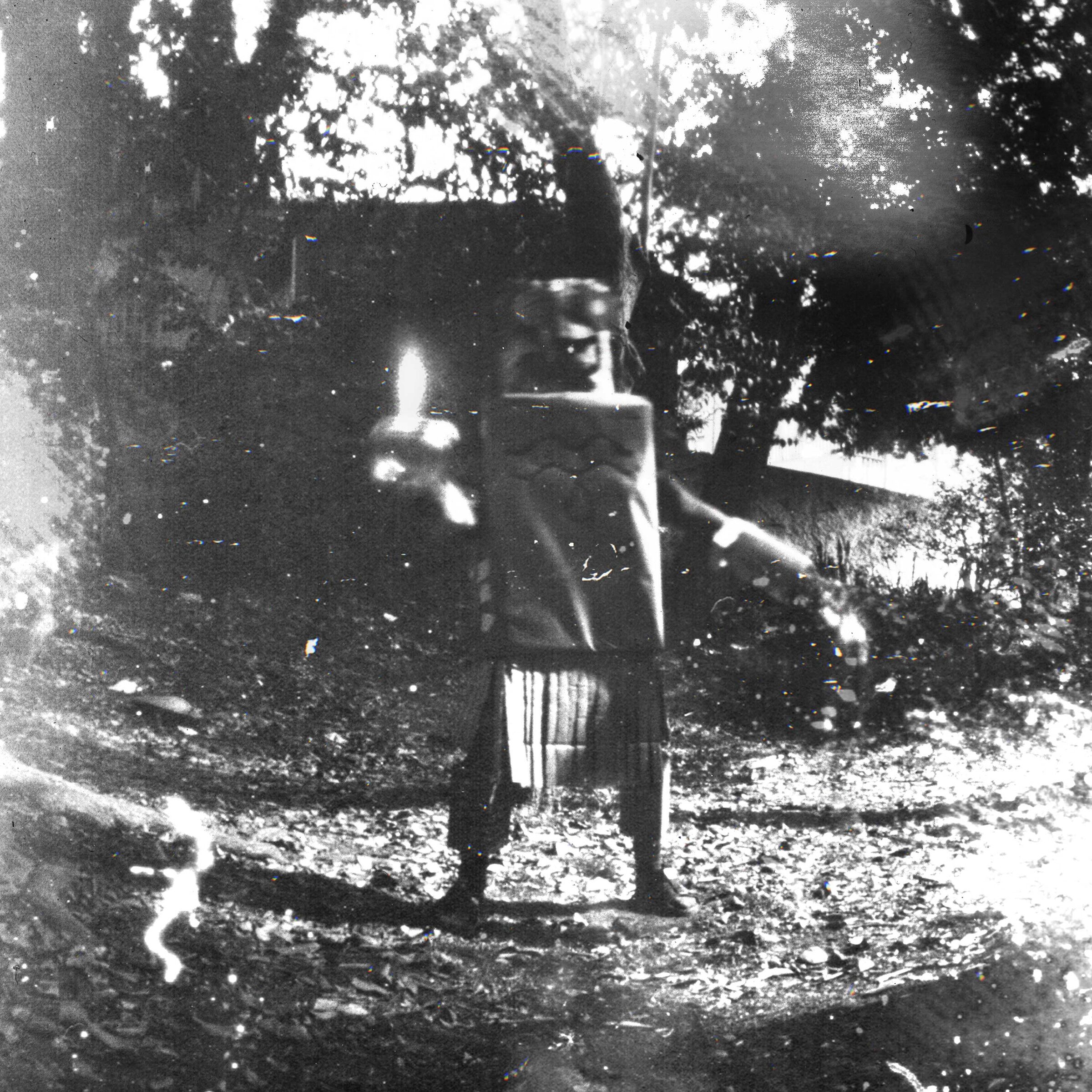
The brand imagery around the album. Slightly raw, not retouched into cleanness. Portraits by Vicente Otávio and Allan Hiagon; studio and objects from home.
Canvas
The motion of the album
Spotify Canvases are the short vertical loops that play behind a track while it streams, and I made one per track. Black-and-white film-style photography, harsh cuts, grainy texture, each loop tuned to its song. The train sequences were shot across several cities in Japan.
signature · ▚ ▚ ▛ ▜ ▟ · canvas loops
▶click to play
▶click to play
▶click to play
Three of the album's Canvas loops. Click any to play. Black-and-white, grainy, cut hard to the music. Train footage shot across Japan.
The site
beiramaquina.com, where the album lives
beiramaquina.com is the project's public home. Minimalist, typography-forward, held together by an ASCII/glitch header pattern that runs across every page. Designed to hold the work and get out of its way. The music and the visual world do the talking.
beiramaquina.com, live. The site as one of the album's artifacts, not separate from it.
What came before
Modus Ofeganti didn't arrive out of nowhere. Two earlier releases built the vocabulary the album consolidates.
EP · 2024
O transporte mais rápido do mundo
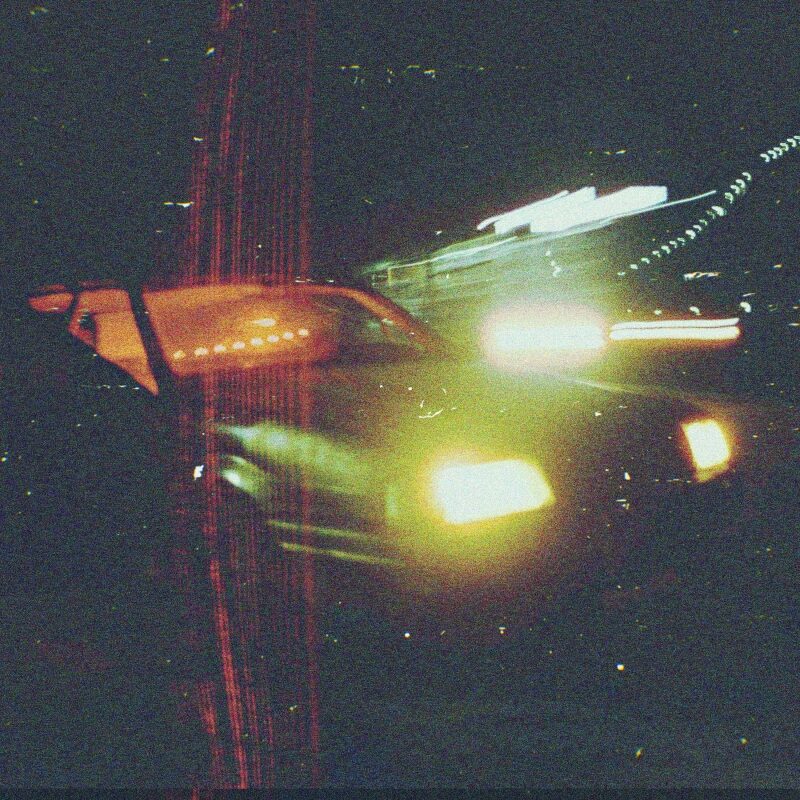
The second release. Three tracks. "Dentro de si," "Nenhuma pele se repete," "Terra gira", with guest work from Marcelo Cabral, Paola Lappicy, Allen Alencar and USHAN. The EP where the project's language sharpened: shorter, more focused, the aesthetic starting to settle.
Where the vocabulary the album consolidates first came into focus
assets/beiramaquina/ep-transporte.jpg
EP · 2023
Beiramaquina Vol.1
The first release. Five tracks including "Autovigilante". The project's first music video and the moment the visual practice started running alongside the music. Guest work from Erneste, Marcelo Cabral and Xavier. This is where Beiramaquina became a public project.
Cover photo by Vicente Otávio
assets/beiramaquina/ep-vol1.jpg
The Films
The films
Autovigilante, the project's first film
The music videos run alongside the music as their own body of work. Same visual world as the covers and the Canvases, same hand, same register. Autovigilante is where that practice started.
film · autovigilante · 2023
"Autovigilante" (2023). The project's first film, shot on Super 8 (Vitor Campanaro) and digital (Vicente Otávio), edited by me. The same visual world, projected onto moving image.
No brief and no client, but a real release with real deadlines and every layer designed. Beiramaquina is the case study for what I do when the whole system is mine to build."É como desaparecer e voltar em outra dimensão."